
Bunk Beds
Bunk beds fit two children (or three, with a triple or a trundle) in the floor space of one bed, which frees the rest of a shared room for play. Choose from detachable bunks that split into two singles, triple bunks, and bunks with storage, stairs, trundles and slides.
68 products


- Delivery: within 4 weeks
- For Christmas, order by Wed 2 Dec
- Mattress: UK single, 90 x 190cm
- Bed size: L 203 x W 104 x H 154cm
- From age 6
- Home assembly


- Delivery: 1 to 2 weeks
- For Christmas, order by Mon 30 Nov
- Mattress: EU single, 90 x 200cm
- Bed size: L 295 x W 110 x H 150cm
- From age 6
- Home assembly
- Holds up to 75kg


- Delivery: within 4 weeks
- Mattress: UK single, 90 x 190cm
- Bed size: L 202 x W 101 x H 160cm
- From age 6
- Home assembly


- Delivery: within 7 working days
- For Christmas, order by Wed 16 Dec
- Bed size: L 198 x W 110 x H 151cm
- From age 6
- Home assembly


- Delivery: next working day or you choose
- For Christmas, order by Mon 21 Dec
- Bed size: L 197 x W 125 x H 173cm
- From age 6
- Home assembly


- Delivery: within 7 working days
- For Christmas, order by Mon 14 Dec
- Mattress: UK single, 90 x 190cm
- Bed size: L 201 x W 99 x H 163cm
- From age 6
- Home assembly
- Holds up to 150kg


- Delivery: 1 to 2 weeks
- For Christmas, order by Mon 30 Nov
- Mattress: Shorty, 70 x 160cm
- Bed size: L 166 x W 81 x H 140cm
- From age 6
- Home assembly
- Holds up to 60kg


- Delivery: next working day or you choose
- For Christmas, order by Mon 21 Dec
- Bed size: L 197 x W 125 x H 173cm
- From age 6
- Home assembly


- Delivery: 1 to 2 weeks
- Bed size: L 199 x W 100 x H 178cm
- From age 6
- Home assembly

- Delivery: 1 to 2 weeks
- For Christmas, order by Mon 30 Nov
- Mattress: UK single, 90 x 190cm
- Bed size: L 198 x W 147 x H 176cm
- From age 6
- Home assembly
- Holds up to 75kg


- Delivery: 1 to 2 weeks
- Bed size: L 202 x W 101 x H 151cm
- From age 6
- Home assembly


- Delivery: within 7 working days
- For Christmas, order by Thu 10 Dec (Scotland and Cumbria Thu 3 Dec)
- Mattress: UK single, 90 x 190cm
- Bed size: L 197 x W 100 x H 228cm
- From age 6
- Home assembly


- Delivery: 1 to 2 weeks
- Bed size: L 199 x W 146 x H 178cm
- From age 6
- Home assembly

- Delivery: 2 to 3 weeks
- For Christmas, order by Tue 8 Dec
- Mattress: UK single, 90 x 190cm
- Bed size: L 196 x W 101 x H 140cm
- From age 6
- Home assembly
- Holds up to 60kg


- Delivery: within 7 working days
- For Christmas, order by Mon 14 Dec
- Mattress: UK single, 90 x 190cm (top) and UK double, 135 x 190cm (bottom)
- Bed size: L 197 x W 143 x H 160cm
- From age 6
- Home assembly
- Holds up to 150kg


- Delivery: 4 to 5 weeks
- Mattress: EU single, 90 x 200cm (upper and lower) or EU single, 90 x 200cm (upper) and EU small double, 120 x 200cm (lower) or EU single, 90 x 200cm (upper) and EU double, 140 x 200cm (lower)
- Bed size: Single L 257 x W 132 x H 177cm or Small double L 257 x W 132 x H 177cm or Double L 257 x W 152 x H 177cm
- From age 6
- Home assembly


- Delivery: 1 to 2 weeks
- For Christmas, order by Mon 30 Nov
- Mattress: UK single, 90 x 190cm
- Bed size: L 201 x W 106 x H 163cm
- From age 6
- Home assembly
- Holds up to 75kg


- Delivery: 1 to 2 weeks
- For Christmas, order by Mon 30 Nov
- Mattress: UK single, 90 x 190cm
- Bed size: L 198 x W 105 x H 162cm
- From age 6
- Home assembly
- Holds up to 75kg


- Delivery: 2 to 3 weeks
- For Christmas, order by Wed 2 Dec
- Mattress: UK single, 90 x 190cm
- Bed size: L 203 x W 107 x H 154cm
- From age 6
- Home assembly


- Delivery: 2 to 3 weeks
- For Christmas, order by Wed 2 Dec
- Mattress: EU single, 90 x 200cm
- Bed size: L 208 x W 105 x H 161cm
- From age 6
- Home assembly


- Delivery: 2 to 3 weeks
- For Christmas, order by Wed 2 Dec
- Mattress: EU single, 90 x 200cm
- Bed size: L 208 x W 105 x H 161cm
- From age 6
- Home assembly


- Delivery: 1 to 2 weeks
- Bed size: L 199 x W 97 x H 120cm
- From age 6
- Home assembly


- Delivery: 2 to 3 weeks
- For Christmas, order by Wed 2 Dec
- Mattress: UK single, 90 x 190cm
- Bed size: L 197 x W 105 x H 141cm
- From age 6
- Home assembly


- Delivery: within 7 working days
- For Christmas, order by Mon 14 Dec
- Mattress: UK single, 90 x 190cm
- Bed size: L 198 x W 96 x H 208cm
- From age 6
- Home assembly
- Holds up to 150kg
More ways to shop Bunk Beds
- Delivery: 1 to 2 weeks
- For Christmas, order by Mon 30 Nov
- Mattress: EU single, 90 x 200cm
- Bed size: L 295 x W 110 x H 150cm
- From age 6
- Home assembly
- Holds up to 75kg
- Delivery: 1 to 2 weeks
- For Christmas, order by Mon 30 Nov
- Mattress: UK single, 90 x 190cm
- Bed size: L 201 x W 106 x H 163cm
- From age 6
- Home assembly
- Holds up to 75kg


- Delivery: 4 to 5 weeks
- Mattress: EU single, 90 x 200cm or EU small double, 120 x 200cm or EU double, 140 x 200cm
- Bed size: Single L 215 x W 107 x H 227cm or Small double L 215 x W 137 x H 227cm or Double L 215 x W 152 x H 227cm
- From age 6
- Home assembly


- Delivery: next working day or you choose
- For Christmas, order by Mon 21 Dec
- Bed size: L 197 x W 125 x H 173cm
- From age 6
- Home assembly
- Delivery: within 4 weeks
- Mattress: UK single, 90 x 190cm
- Bed size: L 202 x W 101 x H 160cm
- From age 6
- Home assembly
- Delivery: 1 to 2 weeks
- For Christmas, order by Mon 30 Nov
- Mattress: UK single, 90 x 190cm
- Bed size: L 201 x W 106 x H 163cm
- From age 6
- Home assembly
- Holds up to 75kg
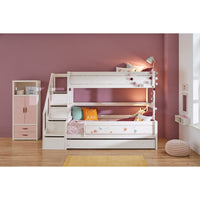

- Delivery: 4 to 5 weeks
- Mattress: EU single, 90 x 200cm (upper and lower) or EU single, 90 x 200cm (upper) and EU small double, 120 x 200cm (lower) or EU single, 90 x 200cm (upper) and EU double, 140 x 200cm (lower)
- Bed size: Single L 257 x W 132 x H 177cm or Small double L 257 x W 132 x H 177cm or Double L 257 x W 152 x H 177cm
- From age 6
- Home assembly
- Delivery: within 4 weeks
- Mattress: UK single, 90 x 190cm
- Bed size: L 202 x W 101 x H 160cm
- From age 6
- Home assembly
- Delivery: 1 to 2 weeks
- For Christmas, order by Mon 30 Nov
- Mattress: UK single, 90 x 190cm
- Bed size: L 201 x W 106 x H 163cm
- From age 6
- Home assembly
- Holds up to 75kg
- Delivery: 1 to 2 weeks
- Bed size: L 199 x W 100 x H 178cm
- From age 6
- Home assembly

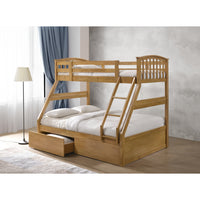
- Delivery: within 7 working days
- For Christmas, order by Mon 14 Dec
- Mattress: UK single, 90 x 190cm
- Bed size: L 198 x W 96 x H 208cm
- From age 6
- Home assembly
- Holds up to 150kg


- Delivery: 1 to 2 weeks
- Mattress: UK single, 90 x 190cm (top) and UK double, 135 x 190cm (bottom)
- Bed size: L 202 x W 147 x H 151cm
- From age 6
- Home assembly
- Delivery: 1 to 2 weeks
- Bed size: L 199 x W 146 x H 178cm
- From age 6
- Home assembly
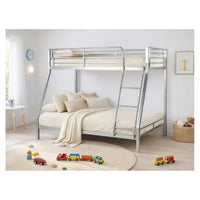
- Delivery: within 7 working days
- For Christmas, order by Mon 14 Dec
- Mattress: UK single, 90 x 190cm
- Bed size: L 201 x W 99 x H 163cm
- From age 6
- Home assembly
- Holds up to 150kg


- Delivery: within 7 working days
- For Christmas, order by Mon 14 Dec
- Mattress: UK single, 90 x 190cm
- Bed size: L 198 x W 98 x H 160cm
- From age 6
- Home assembly
- Holds up to 150kg
- Delivery: within 7 working days
- For Christmas, order by Mon 14 Dec
- Mattress: UK single, 90 x 190cm
- Bed size: L 198 x W 96 x H 208cm
- From age 6
- Home assembly
- Holds up to 150kg
What parents say about Cosybunks
-
★★★★★
“We are very happy with our Lifetime bunk bed! From the initial order to delivery and installation, the purchasing process was smooth and communication was great… The bed itself is sturdy and well made. Highly recommend!”
Melanie N., November 2026
Lifetime bunk bed
-
★★★★★
“I cannot fault the team at Cosybunks. From ordering through to delivery and build they were fantastically knowledgeable and genuinely cared about me as a customer”
Mark J., November 2026
Mathy by Bols Treehouse High Bed with Platform and Slide
-
★★★★★
“Bought the Estella High Sleeper… for my 5 year old and it is a dream of a bed. Good to put together, clear instructions, good customer service. Would recommend.”
Tom P., September 2026
Estella high sleeper with corner sofa bed, desk and shelves
Bunk Beds: buying guide
Why choose a bunk bed?
A bunk bed puts two beds in one footprint, roughly 1m x 2m, so siblings can share a room and still have floor space to play. It's also the easiest way to make sleepovers possible in a small house, and most children think the top bunk is the best thing that's ever happened to them.
Types of bunk bed
- Standard bunks: two single beds stacked.
- Detachable bunks: split into two separate single beds later, for when siblings move into their own rooms (or stop speaking to each other).
- Triple bunks: three beds stacked or staggered; some put a small double on the bottom.
- Bunks with a trundle: a third bed pulls out from underneath for sleepovers.
- Bunks with storage or stairs: drawers under the bottom bunk, or storage stairs instead of a ladder, which younger children find easier.
- Low bunks: shorter bunks for younger siblings and lower ceilings.
- Bunks with slides and themes: treehouses, cabins and slides for the fun factor.
What age is a bunk bed for?
RoSPA advises that children under 6 should not sleep on the top bunk, and most makers set the same minimum. Some makers rate the bottom bunk from about age 4. If your younger child is under 6, give them the bottom bunk and keep the top for the older one; each listing gives the maker's own ages.
Safety standards
Look for bunk beds tested to BS EN 747-1, the European standard for bunk beds and high beds (the current edition is from 2024). It sets requirements for guard rails, ladders, gaps where a child could get trapped and the strength of the frame. Things to check at home:
- Guard rails on both sides of the top bunk, even against a wall.
- A mattress no deeper than the maximum on the bed's label, so the guard rail stays high enough.
- The ladder fixed firmly, and kept clear at the bottom.
- One child on the top at a time, and no jumping.
- Bolts retightened after the first few weeks.
Will it fit the room?
Measure the ceiling: leave at least 60cm (2ft) between the top bunk's mattress and the ceiling, so a child can sit up without hitting their head. Take the top bunk's base height from the listing, add the mattress depth and 60cm, and compare it with your ceiling; triple bunks and high bunks need the most height. Leave clear floor where the ladder or stairs come down, and check for ceiling lights above the top bunk.
Mattresses
Both bunks take a single mattress (UK 90 x 190cm or European 90 x 200cm, as listed), but the top bunk has a maximum depth, often around 14 to 17cm, shown on the bed and the listing. The bottom bunk can usually take a deeper mattress. Small double bunks take a 120 x 190cm mattress on the bottom.
Weight limits
Each bunk has a maximum load set by the maker, often around 100kg per tier on children's bunks, and the listing gives the figure. Reinforced and adult bunk beds take more, which matters if a parent will ever lie down on the bottom bunk for a story.
Choosing between them
- Two children close in age: a standard or detachable bunk.
- A big age gap: a small double bunk (older child below) or a detachable bunk you can split later.
- Three children, or frequent sleepovers: a triple bunk or a bunk with a trundle.
- Younger children: a low bunk or a bunk with storage stairs.
Detachable bunk beds explained
A detachable bunk bed is built so the top bunk lifts off and stands on its own legs, or comes with extra parts, to make two separate single beds. It costs a little more than a fixed bunk but it's the safest bet when children share now and will want their own rooms later, or when you might move house. Check the listing for whether the extra legs or parts are included, and whether both beds end up at the same height.
Triple bunk beds explained
Triple bunks sleep three in one footprint, either stacked three high or with a lower bunk sticking out at the bottom. Some put a small double on the bottom for a parent, a teenager or two small children top-to-tail. They need the most ceiling height of any bunk, so measure carefully, and remember the top bunk is from age 6 whatever its height.
Ladders or stairs?
- Ladders: take up less floor space and can often go at either end or side. Better for older children.
- Stairs: easier and safer for younger children to climb at night, and each step is usually a storage drawer or cubby. They need about 50cm more floor space.
- Angled ladders: a halfway option, easier to climb than a straight ladder, common on Scandinavian bunks.
Bunk beds for small rooms
A bunk bed is the most space-efficient way for two children to share a room. Put it in a corner so two sides are against walls (guard rails still on both sides of the top bunk), and use the floor you've saved for a play area, desks or storage. Bunks with drawers underneath, or storage stairs, replace a chest of drawers too.
Sharing with a big age gap
When one child is much older, a standard bunk can feel unfair to both. A small double bunk gives the older child a bigger bed below and the younger one the top once they're 6; a detachable bunk lets you split them when the age gap starts to matter; a high sleeper for the older child plus a low bed for the younger one can work in a large room.
Making the beds
The top bunk is the hardest bed in the house to make. Pull the bed slightly from the wall if it isn't fixed, do the fitted sheet corners from the ladder one side at a time, use a fitted sheet with deep elastic and a duvet cover with a zip on the long side. Some parents keep the top bunk to just a fitted sheet and a sleeping bag-style duvet, which teenagers tend to approve of.
Moving house with a bunk bed
Most bunks are designed to be taken apart and rebuilt. Photograph each stage as you take it apart, bag and label the fittings, and retighten every bolt once it's rebuilt. If the new rooms are separate, a detachable bunk becomes two singles.
Bunks with slides, tents and themes
For younger children a bunk can be a climbing frame, den and bedroom in one: treehouse bunks, bunks with a slide off the top, curtain or tent kits round the bottom bunk, and themed cabins. They're the ones children remember, but check the ceiling and floor space carefully, because slides need clear floor at the bottom and treehouse roofs add height. The top bunk is still from age 6, slide or not.
Before you buy: a checklist
- Measure the ceiling and the floor, including where the ladder, stairs or slide come down.
- Check each child's age against the top and bottom bunk ages on the listing.
- Decide whether you'll want two singles later (detachable) or a third bed now (trundle or triple).
- Check the mattress size (UK or European) and the top bunk's maximum depth.
- Check the weight limit per bunk, especially for teenagers.
- Decide who's building it: two people and a couple of hours, or our home assembly.
Bedding for bunk beds
Both bunks take single bedding, or small double bedding on the bottom of a small double bunk. Use a fitted sheet rather than a flat one on the top bunk, as it stays put when a child climbs in. A lightweight duvet or a zip-up sleeping bag-style cover makes the top bunk much quicker to make, and a bunk-bed caddy on the guard rail keeps a book, water bottle and torch within reach without anything on the floor below.
Delivery and assembly
Free delivery to mainland UK (a few Scottish postcodes may cost extra, and we confirm before you order). Bunks arrive flat-packed and take a couple of hours with two people; add home assembly at checkout and a fitter builds it for you.
Questions parents frequently ask
Which bunk does the older child get?
Usually the top, as long as they're at least 6. The younger child takes the bottom bunk, which is safer and easier to get in and out of at night. Some families rotate once both are over 6, which avoids a lot of arguments.
What age can a child sleep on the top bunk?
From 6, according to RoSPA and most makers. Under 6, children are more likely to fall or misjudge the ladder at night.
Can bunk beds be separated into two singles when siblings fall out?
Only detachable bunk beds, which are designed to split into two singles. They're the best choice if your children may want separate rooms later. The listing says if a bunk is detachable.
What does a triple bunk split into?
It depends on the model; some triple bunks split into a small double and a single. The listing explains how each one splits.
How much weight can each bunk take?
The maker sets it, and it's on the listing: many children's bunks take around 100kg per tier. Reinforced bunks take more.
How deep can the top bunk mattress be?
Often around 14 to 17cm; the maximum is on a label on the bed and on the listing. A deeper mattress lowers the guard rail, which is the point of the limit.
How much space do I need above the top bunk?
At least 60cm (2ft) between the top mattress and the ceiling, so a child can sit up without hitting their head. Measure under any ceiling light too.
Is the bottom bunk safe for a toddler?
Many makers rate the bottom bunk from about age 4, and RoSPA warns that young children can climb or get trapped. If your toddler shares with an older sibling, use the bottom bunk with a bed guard and keep the ladder out of reach.
Does the bunk need to go against a wall?
It's often more stable against a wall, but the top bunk still needs guard rails on both sides, because a child can slip into a gap between the bed and the wall.
Can adults sleep in bunk beds?
Yes, if the weight limit allows. Adult and reinforced bunk beds are designed for it; children's bunks may not be.
Will the younger one try to climb up?
Probably, especially when the older one is up there. Set a rule, and choose a bunk with a fixed ladder or storage stairs rather than one that's easy to scale from the side.
Can a bunk bed fit under a sloping ceiling?
Sometimes: put the top bunk's pillow end under the highest part, and check you still have 60cm above the mattress. Low bunks suit loft rooms best.
Do the storage drawers count towards the weight limit?
The maker's limit is for the sleeper on each bunk; drawers have their own load. Heavy toys go in the drawers, not on the top bunk.
Can bunk beds be used for sleepovers with friends?
Yes, that's half the fun. One child per bunk, top bunk from age 6, and a bunk with a trundle means a third friend gets a bed too.
Are detachable bunk beds as sturdy as fixed ones?
They can be: look for one tested to BS EN 747-1, as a fixed bunk should be. Detaching them is done with tools, not by lifting the top off, so they don't come apart by accident.
Can a bunk bed go in a room with a radiator under the window?
Yes, but don't put the top bunk where a child can reach or climb out of the window, and keep the bunk off the radiator so heat can circulate and the wood doesn't dry out.
Do bunk beds need a gap between the bunks?
Yes. Bunks are designed with enough space between the bottom mattress and the top bunk for a child to sit up; using a deeper mattress than the label allows on the bottom eats into it.
How long do bunk beds last?
A solid wood bunk bed from a good maker lasts through more than one child, and detachable ones go on as two singles afterwards. Retighten the bolts once a year and it will stay solid.
Can twins share a bunk bed from age 2?
Not on the top: the top bunk is from age 6. Many families use a low bunk with both children sleeping at floor level, or two low beds, until they're old enough for a standard bunk.
Can you put a bunk bed in a loft conversion?
Often, if the ceiling is high enough above the top mattress (at least 60cm) where your child's head will be. Low bunks are made for exactly this.
What's the difference between a bunk bed and a high sleeper?
A bunk bed has two sleeping places stacked; a high sleeper has one bed on top and a desk, sofa or storage underneath. Both use the same safety rules for the top bed.


